
Avoid AI Email Hallucinations Before You Send
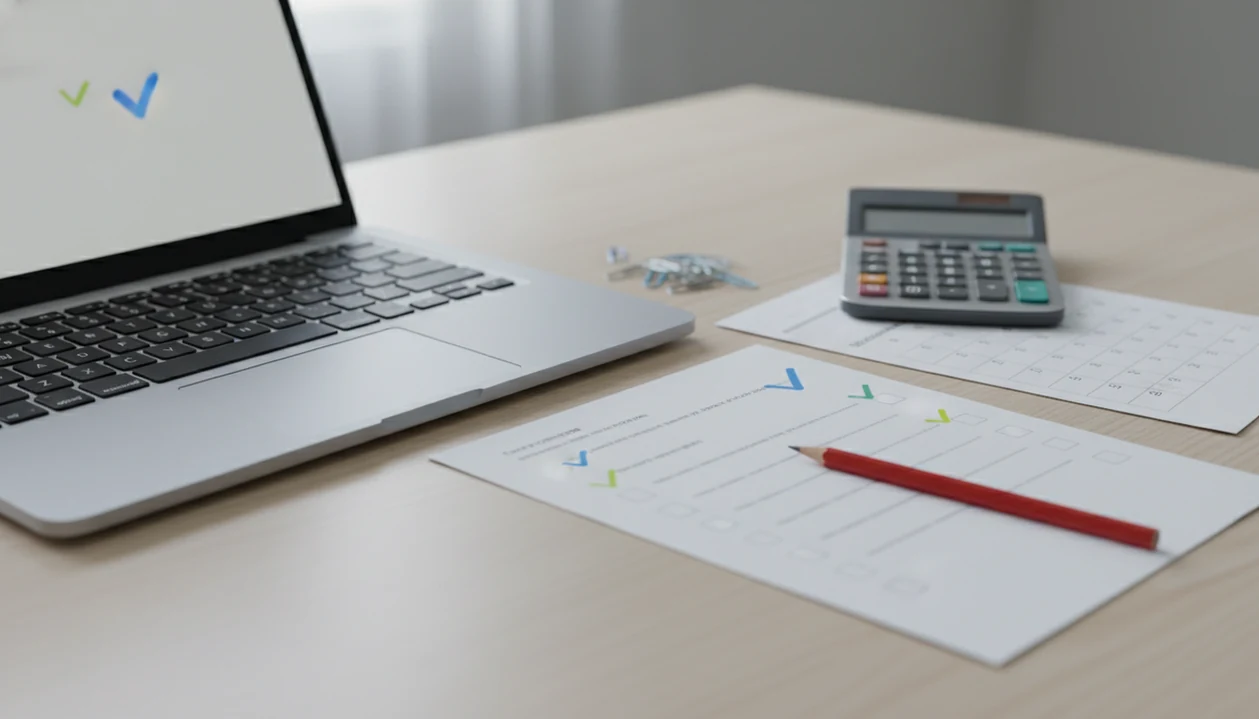
To avoid AI email hallucinations, treat every AI-drafted email as a first draft and verify any facts, names, dates, prices, promises, links, refunds, and policy claims before sending. The safest workflow is to give the AI only trusted source material, tell it not to invent missing details, then use a short human review checklist for anything important.
This guide is a workflow safety checklist for reducing email errors. It is not legal, medical, financial, HR, or compliance advice; emails in those categories should be reviewed by a qualified professional before sending.
> Definition: An AI email hallucination is a confident but false detail in an AI-generated email, such as an invented meeting time, discount, refund promise, attachment, name, title, policy, or commitment.
TL;DR
- AI email mistakes usually happen when the prompt is vague, the email thread is incomplete, or the tool is asked to fill gaps without source material.
- The highest-risk details are names, dates, numbers, prices, legal or policy language, refunds, deadlines, and commitments on behalf of your company.
- Use an AI email review checklist: no new facts, verify all claims, check tone and authority, confirm attachments and links, and remove anything you would not personally approve.
At-a-Glance Checklist to Avoid AI Email Hallucinations
Review every AI-generated email before sending, especially when it includes facts, numbers, policies, promises, or commitments. The fastest way to avoid AI email hallucinations is to compare the draft against the original thread and delete anything you cannot verify.
Use this AI email review checklist before you send:
- No new facts were added.
- Names, titles, and company names are correct.
- Dates, times, time zones, and deadlines match a trusted source.
- Prices, discounts, invoices, refunds, and fees are verified.
- Links and attachments are real and included.
- Unsupported promises are removed.
- Tone matches your role and relationship.
- The draft matches the original thread.
Tools like FlyMail can help draft, reply to, and improve emails, but the sender remains responsible for the final fact check. A clean draft is not the same as an approved draft.
The awkward pause before tapping Send is useful.
Five Facts About AI Email Mistakes
- AI can invent specifics. It may add facts, names, dates, attachments, or commitments that were not in your prompt or source material.
- Context gaps raise risk. Vague prompts, missing email history, outdated notes, and broad requests make AI email mistakes more likely.
- Source text beats “be accurate.” Clear instructions plus trusted reference material reduce risk more than simply asking the tool to avoid errors.
- High-stakes details need manual checking. Claims, numbers, money, contracts, deadlines, support policies, and legal language should be checked against reliable records.
- A checklist should block new commitments. Verify every specific detail, remove unsupported promises, and confirm that the sender has authority to say what the draft says.
In a 2024 Pew survey of U.S. workers, 62% of people who use generative AI at work said they worry it could introduce errors into their work, according to this source. That concern fits email well because one wrong line can become a customer promise.
How AI Email Hallucinations Work
AI email hallucinations happen because large language models generate likely text patterns, not guaranteed verified facts. In plain terms, the model predicts what a useful email should sound like; it does not automatically know whether each detail is true.
NIST describes this risk as generative AI producing false or unsupported information, including fabricated content presented fluently; see the NIST Generative AI Profile.
When source material is missing, the model may infer, generalize, or fill gaps. That can turn into an invented meeting time, the wrong customer name, an assumed refund eligibility, a nonexistent attachment, or a fabricated prior agreement. The danger is that the sentence may read smoothly. Polished wording can hide a bad fact.
We see this most often when someone pastes rough notes beside a polished draft and asks the AI to “make it professional.” If the notes say “follow up next week,” the model might choose Tuesday at 10 a.m. unless told not to guess.
The safest prevention method is to provide source text and require the draft to stay within it.
Source Material That Helps Fact Check AI Emails
Good source material gives the AI less room to guess. To fact check AI emails, provide the facts you want used before asking for a draft or reply.
- Original email thread: Include the full message history, not just the latest line.
- Business records: Use CRM notes, help desk tickets, order records, or invoice details.
- Policy sources: Paste the refund policy, pricing page, internal FAQ, or contract clause.
- People documents: Add a candidate resume, calendar invite, interviewer list, or account owner note.
A reusable instruction helps: “Use only the details below. If something is missing, write [confirm needed] instead of guessing.”
AI tools may not have live access to current prices, internal systems, calendar changes, or account exceptions unless you provide them. If privacy is part of the review, the data question is separate from accuracy; our guide to can AI email tools store my emails covers that concern.
AI Email Review Checklist for Names, Dates, Money, and Promises
Use a line-by-line review when an AI email contains concrete details. Compare each item against a trusted source, not memory alone, when the stakes are high.
| Email element | What to check | Rule |
|---|---|---|
| Recipients and names | Spelling, titles, company names, pronouns | Correct or remove |
| Dates and times | Time zones, meeting length, deadlines | Verify against calendar |
| Money and policy | Prices, discounts, invoices, refunds, eligibility | Match approved source |
| Links and attachments | URL, file name, actual attachment | Test before sending |
| Commitments | Refunds, exceptions, delivery dates, contract terms | Delete or confirm |
Identity and recipient details
Check the To, Cc, greeting, name spelling, title, and company name. A wrong name in a recruiter reply or customer support message damages trust quickly.
Dates, money, and policy claims
Verify dates, prices, discounts, and policy claims against the calendar, invoice, contract, or approved help article. Do not let memory do compliance work.
Promises, links, and attachments
Use the delete-or-confirm rule for unsupported claims. FlyMail can help refine wording, but you should verify facts before sending.
High-Risk Emails That Need Extra AI Fact Checking
Some emails need stronger review because a small hallucination can create a real obligation. The OECD has warned that AI and automation can reshape communication-heavy jobs, and its Employment Outlook estimates that occupations at highest risk of automation account for more than one-quarter of employment across OECD countries (OECD Employment Outlook 2023). More AI-drafted email means more need for controls.
- Support emails: Review refunds, cancellations, eligibility, warranties, account access, and complaint resolutions.
- Sales emails: Check pricing, discounts, product capabilities, contract terms, renewal dates, and delivery timelines.
- Recruiting and job search emails: Verify names, titles, interview times, compensation, locations, and resume claims.
- Sensitive professional emails: Legal, medical, financial, HR, and compliance-related messages should get human or expert approval.
A good AI email writer and email generator for drafting, replying, and refining professional and personal emails on web and mobile should produce send-ready wording, not send-without-reading decisions.
For support teams, a refund sentence is not “just wording.” It can become the record.
When to Get Human or Expert Review Before Sending
Get human or expert review before sending any AI-drafted email that could affect rights, money, employment, health, compliance, or a customer commitment. If the draft says something you personally cannot approve, treat that as a stop sign, not a wording problem.
Use a simple escalation path:
- Route legal, medical, financial, HR, and compliance-related messages to the qualified reviewer for that area before they leave your inbox.
- Require manager approval for refunds, special exceptions, contract terms, delivery promises, pricing changes, or commitments made to a customer.
- Escalate any sentence that creates an obligation outside the sender’s role, authority, budget, or approved policy.
- Document who approved the high-stakes wording and which source records were checked, such as the contract, ticket, invoice, calendar, or policy page.
- Send the message manually when the review process takes longer than writing a short, accurate reply yourself.
The goal is not to slow every email. It is to keep AI from turning a polished draft into an unauthorized promise.
Common Myths About AI Email Hallucinations
Professional language can make false details feel more trustworthy than they are. Public concern reflects that tension: in a 2023 Pew survey, 52% of U.S. adults said they were more concerned than excited about increased AI use in daily life, according to Pew Research Center.
| Myth | Practical truth |
|---|---|
| If an AI email sounds professional, it must be accurate. | Tone and truth are separate. A fluent sentence can still contain the wrong date, price, or name. |
| Paid or enterprise AI email tools never hallucinate. | Guardrails can reduce risk, but no tool removes the need for review. |
| Writing “be accurate” is enough. | The tool still needs source material and limits on what it can add. |
| Hallucinations only happen in technical topics. | Everyday emails can invent meeting times, discounts, or prior agreements. |
| A short email cannot cause harm. | One sentence can promise a refund, deadline, or exception the sender did not approve. |
The safer habit is simple: trust the draft’s structure, then verify its claims.
Prompt Rules That Reduce AI Email Mistakes
“How do I prompt an AI email tool so it does not make things up?” Use source-bound instructions that tell the AI what to do when information is missing.
For a reply email, try:
> “Draft a concise reply using only the email thread below. Do not add facts, dates, prices, promises, or policy details. If a detail is missing, write [confirm needed]. Preserve uncertainty and ask one clarifying question if needed.”
For a rewrite email, try:
> “Rewrite the email below in a professional tone. Keep every fact unchanged. Do not add new commitments, deadlines, refund language, legal terms, or attachments. Flag any sentence that seems unsupported.”
Prompt rules reduce AI email mistakes, but they do not replace manual review. Drafting from supplied facts is different from asking AI to decide policy or invent context. Copying three rough bullets from Apple Notes into a draft box before a meeting starts is fine, as long as those bullets are the facts you actually want used.
Workflow Guardrails for Teams Using AI Email Tools
Teams should turn hallucination checks into workflow rules, not private habits. Require approval for emails that mention money, contracts, deadlines, legal terms, policy exceptions, refunds, or customer commitments.
Use approved source documents, policy libraries, CRM records, support macros, and internal snippets as reference material. Define who can approve exceptions and what must be checked before sending. A support reply should not invent an escalation path because the original ticket felt urgent.
Audit-friendly habits help. Keep source links, note where facts came from, and avoid sending AI-generated commitments without review. If your team uses Microsoft email accounts, permission scope also matters; Outlook AI email app permissions explain what an app may request.
Fly Mail can support drafting, replying, and improving emails, but accountability stays with the sender and the team process.
Limitations
No prompt, guardrail, checklist, or AI email tool can guarantee that an AI-generated email will never contain a hallucination. A polished email can still be wrong, so tone quality should never be treated as proof of factual accuracy.
Specific limits to keep in mind:
- Human review is still essential for important, regulated, legal, financial, HR, medical, customer support, and contractual messages.
- AI tools may not know current prices, policies, account details, CRM updates, calendar changes, or internal exceptions unless you provide them.
- Fact checking can take longer than writing a simple message manually.
- Over-reliance on AI drafting can reduce attention to detail over time.
- Email-specific hallucination controls are still evolving and are not standardized across every industry.
- A checklist can catch many errors, but it cannot judge every business, legal, or relationship risk.
- Sensitive messages may need approval from a manager, lawyer, clinician, HR lead, finance owner, or compliance specialist.
Clinicians, attorneys, HR specialists, and financial professionals typically recommend expert review when a message makes regulated or high-stakes claims within their field.
Read more
FAQ
What are AI email hallucinations?
AI email hallucinations are confident but false details in AI-generated emails. Examples include invented names, dates, prices, attachments, refund promises, or commitments.
Why do AI emails invent facts?
AI may fill gaps when the prompt is vague, context is missing, or source material is not provided. It generates likely wording, not guaranteed verified facts.
How do I fact check AI emails?
Compare every claim against the original thread, calendar, CRM, order record, policy page, contract, or other trusted source. Remove anything you cannot verify.
Can polished AI emails be wrong?
Yes. Fluent, professional wording does not prove that the facts, dates, prices, or promises are accurate.
Do paid AI tools hallucinate?
Yes. Paid or enterprise tools can reduce risk with guardrails, but they can still produce false details.
What details should I verify?
Verify names, titles, dates, times, time zones, prices, refunds, policies, links, attachments, deadlines, and promises. These details create the highest email risk.
Should AI promise refunds?
AI should not promise refunds or exceptions unless the sender has verified the policy and has approval. Unsupported refund language should be deleted or confirmed.
Can prompts prevent hallucinations?
Strong prompts help by limiting the AI to source material and marking missing details. They cannot replace human review.
When should I write manually?
Write manually when the email is very simple, unusually sensitive, or high-stakes. Manual writing may be faster than drafting with AI and then checking every detail.