Why follow-up emails matter more than most people think
Most important professional conversations stall not because of rejection but because of distraction. Your proposal did not get ignored because it was bad. It got buried under 47 other emails that arrived the same day. Your meeting request was not declined. It was opened, mentally noted, and then forgotten when something urgent appeared.
Follow-up emails solve this problem by bringing your message back to the top of the recipient's attention at a moment when they might have the bandwidth to respond. Research consistently shows that response rates increase significantly after the first follow-up. The people who succeed in sales, recruiting, fundraising, and project management are typically not the ones who send better initial emails. They are the ones who follow up reliably.
Despite this, most people under-follow-up. They send one email, wait, and then assume silence means no. In reality, silence usually means busy, distracted, or uncertain. A well-timed, well-written follow-up gives the recipient a second chance to engage without requiring them to search their inbox for the original message.
The anatomy of a follow-up email that gets responses
An effective follow-up email has four components: a context reminder, a clear restatement of the request, something that makes responding easier, and a specific timeframe.
The context reminder should be one sentence that connects this email to the previous conversation. Something like "I sent a proposal for the website redesign project last Tuesday" gives the recipient instant context without requiring them to search through their inbox.
The request restatement should be even clearer than the original. If your first email asked for feedback, your follow-up should specify what kind of feedback and by when. "I would appreciate your thoughts on the timeline and budget by this Friday so I can finalize the project plan" is more actionable than "wanted to check if you had a chance to look at the proposal."
The response facilitator is what separates good follow-ups from generic ones. Make it easy to reply. Ask a yes-or-no question. Offer two specific time slots instead of asking when they are free. Provide a one-sentence summary of the decision needed. The less effort the reply requires, the more likely you are to get one.
Follow-up timing strategies for different situations
Timing is the most underrated factor in follow-up effectiveness. Send too early and you seem impatient. Send too late and the opportunity has passed or the recipient has forgotten the context entirely.
For sales proposals and business pitches, the standard cadence is: first follow-up 3 to 5 business days after the initial email, second follow-up 5 to 7 days after the first follow-up, third follow-up 7 to 10 days after the second. Each subsequent follow-up increases the interval, which signals persistence without desperation.
For internal requests to colleagues, a shorter timeline is appropriate. If you asked for information needed for a project, following up after 1 to 2 days is reasonable since internal communication typically has faster expected response times than external.
For job applications, follow the employer's stated timeline first. If they said they would respond within two weeks, follow up on day 15, not day 8. Respecting stated timelines demonstrates professionalism. After the stated timeline passes, one follow-up per week for two weeks is the standard maximum.
Day of the week matters too. Tuesday through Thursday mornings tend to have the highest email open and response rates. Monday inboxes are crowded with weekend accumulation and Friday attention is already shifting toward the weekend.
Common follow-up email mistakes
The most damaging follow-up mistake is guilt-tripping the recipient. Phrases like "I have not heard back from you" or "Since you did not respond" create a negative emotional tone that makes the recipient less likely to engage. Focus on the task, not the silence.
Another common mistake is repeating the entire original email in the follow-up. The recipient does not need to reread everything. They need a brief reminder and a clear next step. If you need them to review the original in detail, say "I have attached the original proposal for reference" rather than pasting the whole thing again.
Being too vague is equally problematic. "Just checking in" gives the recipient no information about what you need or how to respond. Every follow-up should include the specific action you are waiting for. "Checking in" is not a call to action. "Could you confirm the meeting time by end of day?" is.
Finally, following up too frequently damages relationships. If you send three follow-ups in a week, the recipient is not going to feel motivated. They are going to feel harassed. Space your follow-ups appropriately and accept that some silences are intentional.
How AI follow-up generators remove the procrastination barrier
The biggest problem with follow-up emails is not that people do not know they should send them. It is that they delay sending them because the phrasing feels awkward. Writing "I am following up" feels repetitive. Figuring out the right tone between persistent and polite takes cognitive effort. So the follow-up sits as a mental to-do item, getting more awkward to send with each passing day.
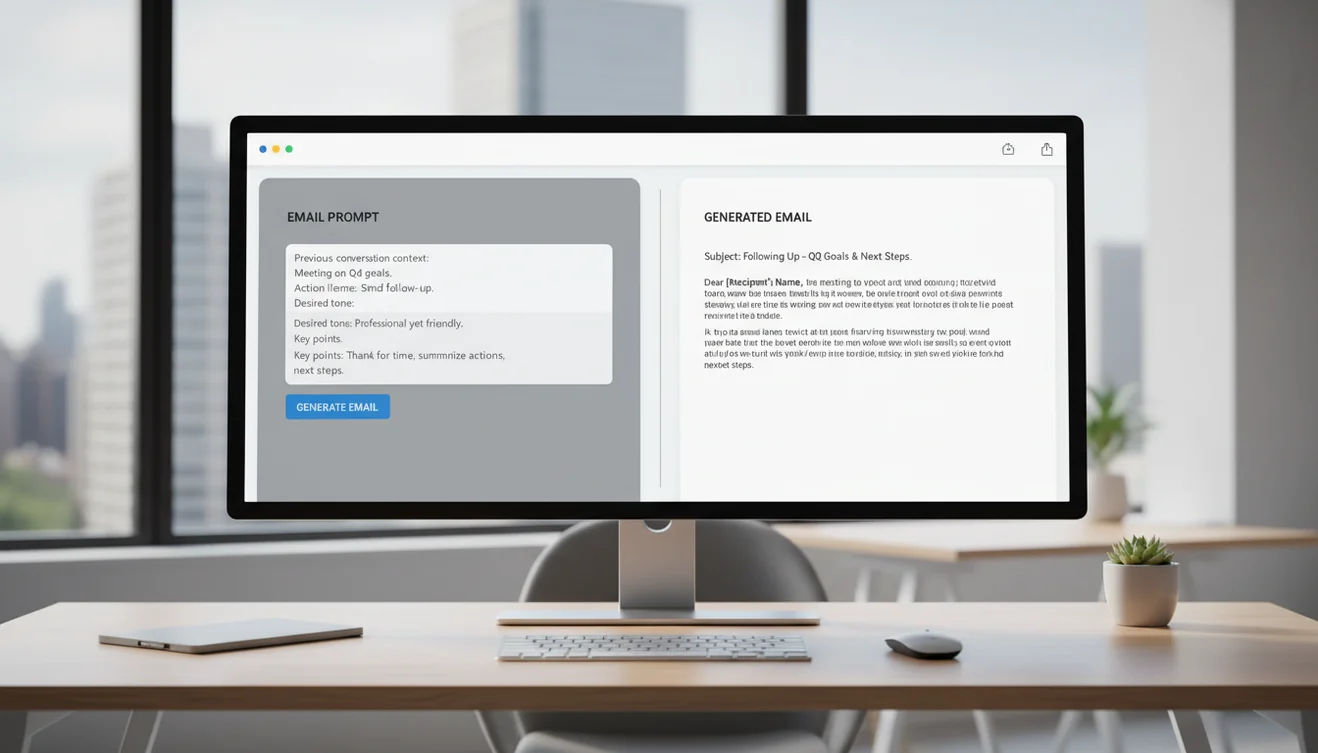
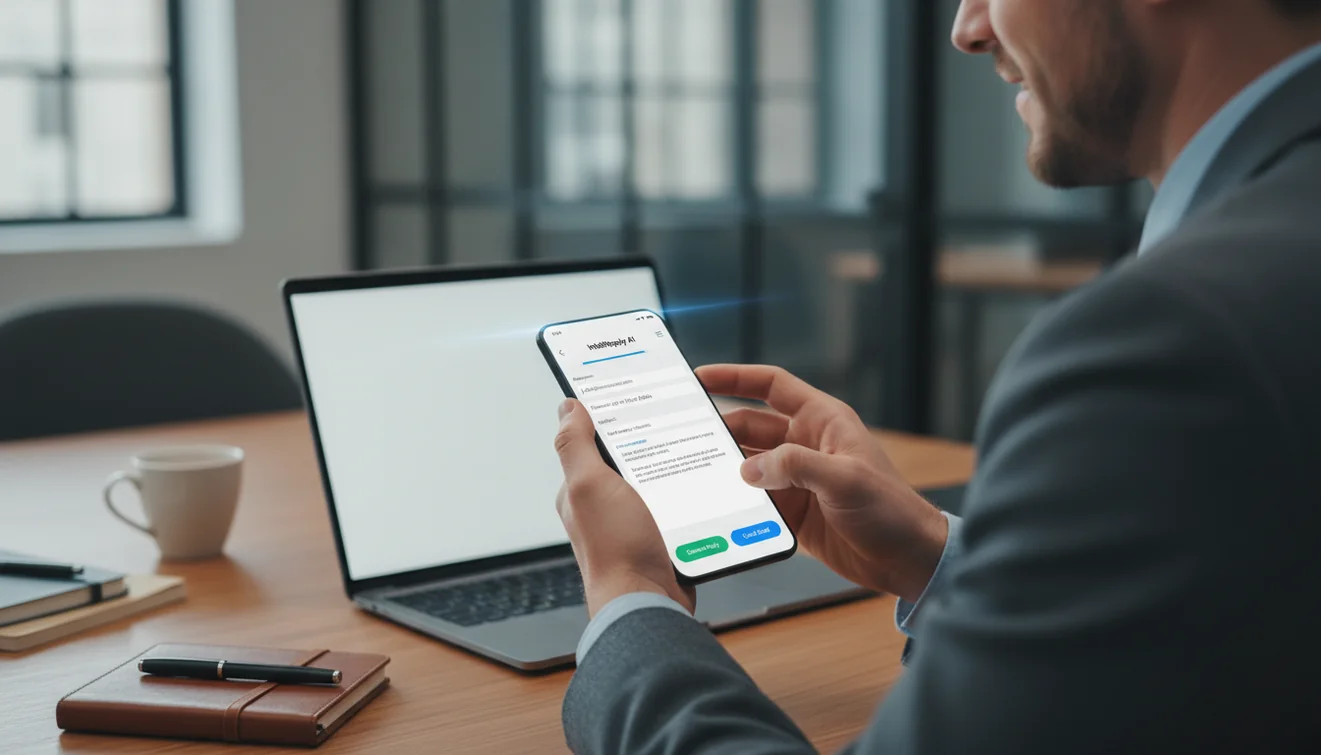
An AI follow-up generator eliminates this friction entirely. You describe the situation, the tool produces a polished draft in seconds, you review and adjust, and you send. The entire process takes under two minutes. This is short enough that you will actually do it instead of postponing it.
The consistency benefit matters too. When you use an AI tool for follow-ups, every follow-up maintains a professional, measured tone regardless of how frustrated or anxious you feel about the lack of response. This emotional buffering prevents the common trajectory where the first follow-up is polite, the second is slightly impatient, and the third is borderline aggressive.
Follow-up email templates for common scenarios
For a proposal follow-up: reference the proposal date and topic, briefly restate the key value, ask a specific question about next steps, and offer to address any concerns. Keep it under six sentences.
For a payment follow-up: state the invoice number and date, note the amount and due date, ask for a payment status update, and mention your willingness to discuss alternative arrangements. Maintain a tone that is firm but not confrontational.
For a meeting follow-up: summarize the key decisions or takeaways from the meeting, list any action items with owners and deadlines, ask for confirmation or corrections, and state the date of the next meeting or check-in. Send this within 24 hours while the meeting is fresh.
For a job application follow-up: reference the specific position and your application date, express continued interest in one sentence, ask about the timeline for next steps, and close professionally. This should be under 80 words.
For a networking follow-up: reference where you met, mention one specific thing you discussed, propose a concrete next step like a coffee meeting or introductory call, and make it easy to respond with specific time options.
Building a follow-up system that works consistently
Effective follow-up is a system, not a one-time effort. Create a tracking method for important emails that require responses. This can be as simple as a spreadsheet with columns for the recipient, the date sent, the requested action, the follow-up dates, and the current status.
Set follow-up reminders at the time you send the original email, not when you notice the lack of response. If you know you will follow up in 5 days, set that reminder immediately. This prevents the common problem of noticing a missing response two weeks later when the window has closed.
Batch your follow-ups. Instead of writing one follow-up at a time throughout the day, set aside 15 to 20 minutes in the morning to write all pending follow-ups. Using an AI generator makes this even faster since you can produce and review five follow-up drafts in the time it would take to manually write two.
Review your follow-up data monthly. Which types of follow-ups get responses? What timing works best? Which phrasing produces the highest response rates? This data helps you refine your approach over time and identify patterns that apply specifically to your industry, role, and communication style.